NFT Rarity: How It Works and Why It Matters for Your Collection
NFT rarity is one of the most important factors driving the perceived value and desirability of individual tokens within a collection. This guide explains how rarity is calculated, why it matters to collectors and investors, and how you can use the NFT Generator to design a thoughtful rarity system for your project.March 18, 2026
●
6 min read
When collectors browse an NFT collection, one question dominates their decision: how rare is this piece? Rarity is the backbone of NFT value — it distinguishes a common token from an ultra-rare one that could trade for multiples of the floor price. Understanding how rarity works is essential whether you are a creator designing a collection or a collector evaluating a purchase. With tools like the NFT Collection Generator, creators can now control rarity distributions precisely, producing collections where scarcity is built in by design rather than left to chance.
What Is NFT Rarity?
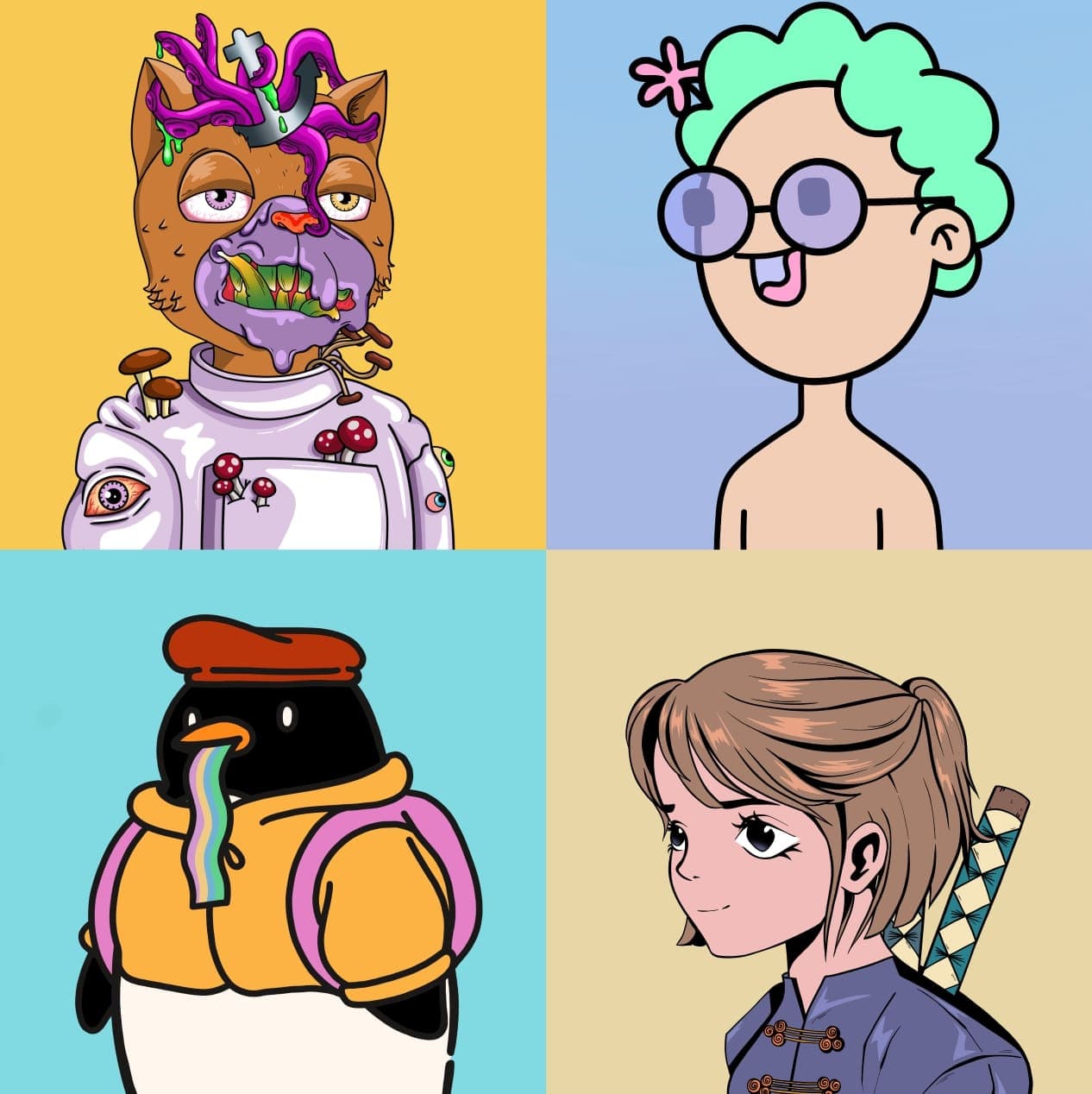
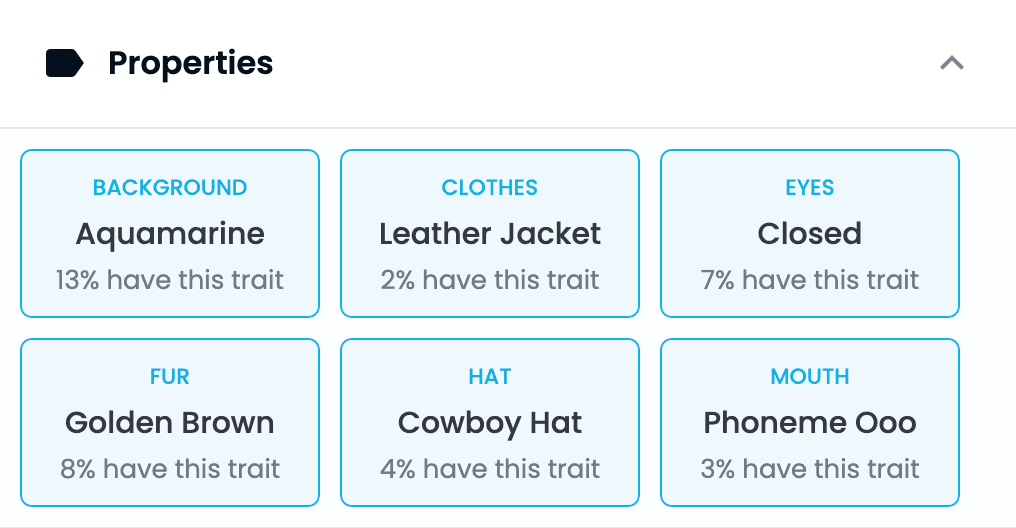
NFT rarity is a numerical measure of how scarce a specific token is compared to every other token in its collection. In a generative collection — say, 10,000 unique avatars — each token is assembled from a set of traits: background color, clothing, headwear, accessories, and so on. Some traits appear on thousands of tokens; others appear on only a handful. The combination of traits across all layers determines how common or rare any individual NFT is. A token wearing a trait that only 1% of the collection shares will score far higher than one whose every trait appears on 40% of pieces.
How Rarity Scores Are Calculated
Several scoring methods are used across the industry, and it is worth understanding each one:
- Rarity Score (most common): Each trait is assigned a score equal to 1 divided by the proportion of tokens that share it. An NFT's total rarity score is the sum of these individual trait scores. Rarer traits have higher scores, so a single ultra-rare trait can dramatically boost an NFT's overall rank.
- Average Trait Rarity: This method calculates the mean rarity across all traits on a token. It rewards tokens that are consistently rare across every layer, rather than those inflated by one outlier trait.
- Statistical Rarity: The rarity of each trait is multiplied together (instead of summed). This produces very small numbers for tokens with many rare traits, making comparisons easier in some analytical tools.
- Rarest Trait Method: Only the single rarest trait determines ranking. This is simpler but can produce misleading results when a token has one rare trait and many very common ones.
Most dedicated rarity platforms — such as Rarity Tools and HowRare.is — use the Rarity Score method because it rewards the overall composition of a token rather than a single standout trait.
Why Rarity Matters to Collectors and Investors
Rarity drives price differentiation within a collection. On secondary markets, common tokens typically trade at or near the collection floor price, while rare tokens command significant premiums. In established collections, the top 1% of tokens by rarity score can sell for 10x to 100x the floor price. This creates a tiered market dynamic that benefits both creators (who can price mint tiers accordingly) and collectors (who can speculate on undervalued rare pieces). Beyond pure investment logic, rarity also generates community excitement — the "reveal" moment when buyers discover whether they minted a common or legendary piece has become a core part of NFT culture.
Designing a Rarity System With the NFT Generator
Creating a well-balanced rarity system from scratch is one of the most challenging parts of launching a generative NFT collection. The NFT Generator simplifies this process by letting creators set precise rarity weights for each trait layer. Here is how to approach rarity design:
- Define trait tiers: Group traits into rarity categories — Common (40–60% of supply), Uncommon (20–30%), Rare (5–15%), Epic (1–5%), and Legendary (<1%). Each tier should have visually distinct traits so collectors can identify rarity at a glance.
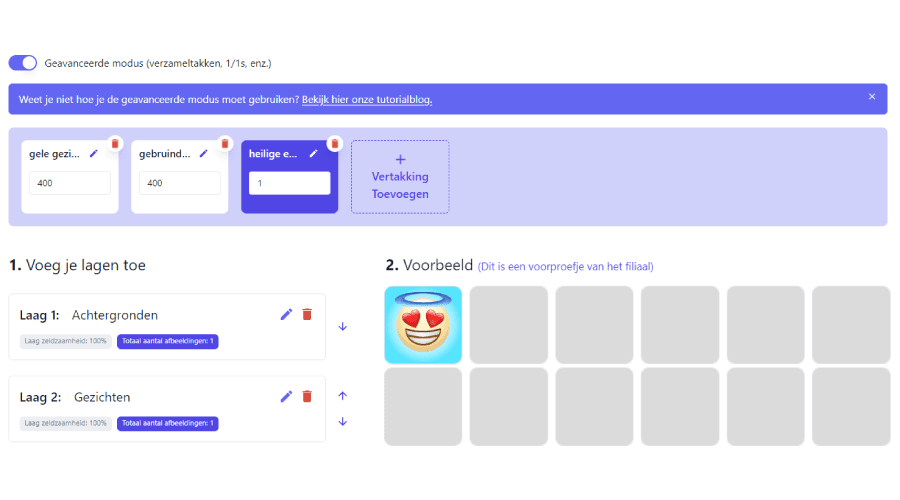
- Assign weights carefully: In the 10,000 NFT Generator, each trait file can be assigned a weight. Higher weights increase the probability of that trait appearing. Legendary traits receive very low weights so only a handful of tokens receive them across the full collection.
- Avoid trait collisions: Some trait combinations look bad visually or are logically inconsistent. Use the generator's incompatibility rules to prevent certain traits from appearing together, keeping your collection coherent.
- Preview rarity distribution: Before generating the full collection, run a small preview batch to verify that the distribution matches your intentions. Adjust weights until the output reflects your target rarity tiers.
Communicating Rarity to Your Community
A great rarity system is only valuable if your community understands it. Before launch, publish a rarity guide that explains every trait tier, what makes certain traits special, and how rarity scores will be calculated after reveal. Consider integrating your collection with a rarity ranking platform after mint so holders can instantly see where their token ranks. Transparency builds trust: collectors who understand the rarity mechanics before they mint are more confident buyers, and confident buyers contribute to a healthier, more active secondary market for your project.
Conclusion
NFT rarity is far more than a marketing buzzword — it is the structural backbone of value in generative collections. By understanding how rarity scores are calculated and designing thoughtful trait distributions from the start, you give your collection the best chance of attracting serious collectors and sustaining long-term interest. The NFT Collection Generator provides the tools you need to build rarity into your project by design, turning your artistic vision into a collection where every token is unique and every level of scarcity is intentional.