NFT Royalties: How They Work and How to Set Them Up
NFT royalties give creators a percentage of every secondary sale, turning a one-time mint into a long-term revenue stream. This guide explains how royalties are embedded in smart contracts, how the EIP-2981 standard works, how different marketplaces handle enforcement, and how to choose the right royalty rate for your collection.March 20, 2026
●
6 min read
One of the most powerful advantages NFTs offer over traditional art is the ability to earn from secondary sales. In the traditional art world, a painter sells a canvas once and never benefits when that work changes hands for ten times the price at auction. NFT royalties change this dynamic entirely: a percentage of every future sale is automatically routed back to the creator through the smart contract itself. For collections built with a tool like the NFT Generator, understanding how royalties work — and how to set them up correctly — is essential before you launch.
What Are NFT Royalties?
An NFT royalty is a fraction of the resale price that is paid to the original creator each time a token changes hands on a secondary market. Royalties are typically expressed as a percentage — most collections set them between 2.5% and 10%. If you mint a collection with a 5% royalty and a collector later sells a token for 1 ETH, you automatically receive 0.05 ETH without any manual action. The payment is triggered and settled by the smart contract, removing the need for intermediaries. This makes NFT royalties fundamentally different from resale rights in traditional markets, where enforcement is largely manual and jurisdiction-dependent.
The EIP-2981 Standard: The Technical Foundation
The mechanism that makes cross-marketplace royalties possible is EIP-2981, the Ethereum Improvement Proposal that established a standardized royalty interface for NFT contracts. Before EIP-2981, each marketplace had its own proprietary royalty system, meaning a royalty set on one platform would not carry over to another. EIP-2981 defines a standard function — royaltyInfo(tokenId, salePrice) — that any marketplace can call to retrieve the royalty recipient address and the royalty amount for a given sale. If the marketplace chooses to honor this standard, it will automatically send the correct royalty to the creator's wallet at the time of settlement. It is important to understand that EIP-2981 is informational only: it surfaces royalty data but cannot force a marketplace to pay it. The choice to enforce remains with the platform.
How Different Marketplaces Handle Royalties
The NFT marketplace landscape is divided on royalty enforcement, and this has been one of the most debated issues in the creator community since 2022. Before choosing where to sell your collection, it is worth understanding how each major platform treats royalties:
- OpenSea: OpenSea offers two models. Optional royalties allow creators to suggest a royalty amount, but the seller decides whether to honor it. Enforced royalties are possible if the NFT contract implements the ERC721-C or ERC1155-C standard, which allows the creator to block transfers on platforms that do not pay royalties.
- Foundation: Foundation enforces a default 10% royalty on all secondary sales conducted on its platform, making it one of the most creator-friendly marketplaces available.
- Nifty Gateway: Honors on-chain royalties set by creators and enforces them at the platform level for sales processed through its interface.
- Blur: Blur introduced optional royalties in 2023 to compete on fees, which significantly reduced secondary royalty income for many creators. It later introduced selective enforcement but remains more lenient than Foundation.
- Magic Eden (Solana/multi-chain): After initially making royalties optional, Magic Eden shifted toward optional royalties across most chains. Creators must rely on contract-level enforcement mechanisms to guarantee payment on this platform.
Choosing the Right Royalty Percentage
Setting the right royalty rate is a balance between maximizing long-term creator income and keeping secondary trading attractive for collectors. Research on NFT market dynamics suggests that higher royalty rates can reduce secondary sale prices and trading frequency, as buyers factor future royalty costs into their bids. Here are practical guidelines:
- 2.5% – 5%: Suitable for high-volume collections where many trades are expected. The lower rate encourages active secondary trading, which generates royalties through volume rather than rate.
- 5% – 7.5%: The most common range for generative collections. It strikes a balance between creator income and secondary market activity.
- 7.5% – 10%: Appropriate for curated or fine art NFTs with lower supply and higher per-token value. Collectors of premium pieces are more tolerant of higher royalty rates.
- Above 10%: Rarely sustainable at scale. Very high royalties can suppress secondary volume significantly and may signal to collectors that the project is overly extractive.
How to Set Royalties in Your NFT Smart Contract
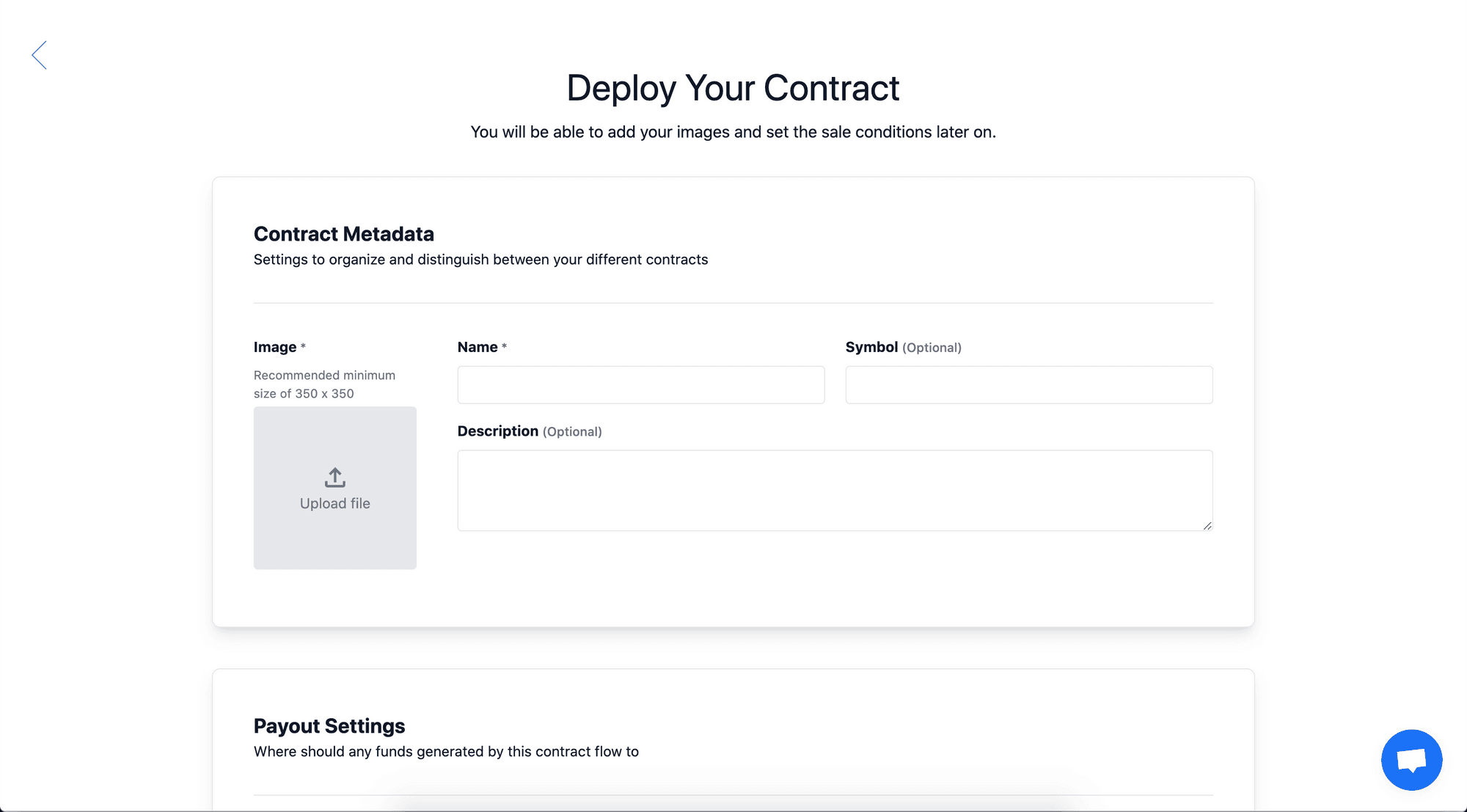
Royalties are embedded at the smart contract level when you deploy your collection. The standard approach is to implement EIP-2981 in your contract, which involves storing a royalty recipient address (your wallet) and a royalty basis points value (e.g., 500 basis points = 5%). When you use the NFT Generator's integrated smart contract tools or deploy to platforms that support EIP-2981 out of the box, this configuration is handled for you. For custom deployments, you can add royalty support by inheriting from ERC721Royalty (OpenZeppelin's implementation) which automatically exposes the standard royalty interface. The blockchain you choose also matters — different blockchains handle NFT standards and royalties differently, so review your target chain's ecosystem before committing to a deployment strategy.
Maximizing Your Royalty Income Over Time
Royalties are passive income, but they require active project management to maximize. A thriving secondary market generates more royalties than a stagnant one, so your long-term income is directly tied to the health of your community and the trading activity your collection sustains. The best strategies for maximizing royalty income include building ongoing utility that gives holders reasons to hold and trade, communicating royalty rates transparently at launch so buyers accept them as part of the project's value proposition, and choosing marketplaces that enforce royalties when listing your primary drop. If you plan to sell on enforcement-optional platforms, consider using contract standards like ERC721-C that allow you to restrict transfers to royalty-paying platforms at the contract level. The NFT Collection Generator supports metadata and contract configuration that aligns with these modern deployment strategies.
Conclusion
NFT royalties are one of the most significant innovations the blockchain brings to creators — transforming art and digital collectibles from a one-time transaction into an ongoing revenue relationship. By understanding EIP-2981, choosing the right marketplace, setting a thoughtful royalty rate, and deploying a contract that supports enforcement, you give your collection the best possible foundation for sustainable creator income. Whether you are launching your first generative project with the 10,000 NFT Generator or expanding an existing collection, getting your royalty configuration right from day one will pay dividends for years to come.